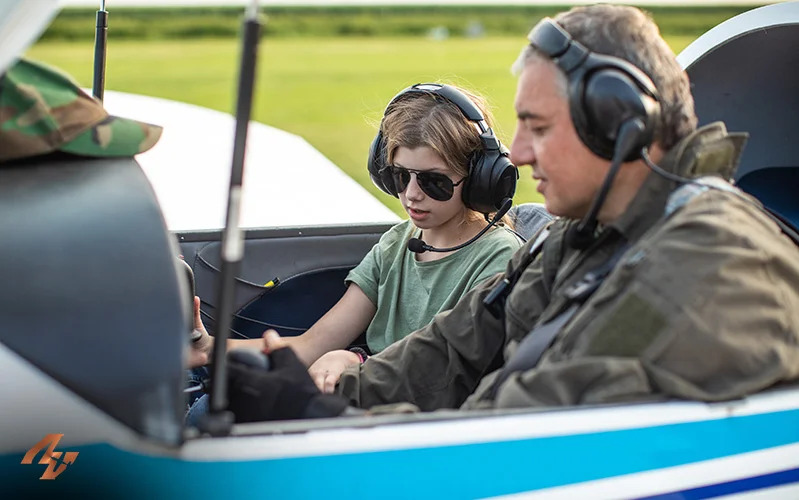
Competitive flight simulation has grown into a sport that welcomes pilots of nearly every age, and with that growth has come the need for fair, structured ways to measure skill across very different life stages. A ten year old just discovering the thrill of virtual aviation is not competing on the same footing as a seasoned adult pilot with years of practice, and treating them identically would do a disservice to both. This is why age based ranking systems, like the ones used in AeroEsport GT challenges, have become such an important part of keeping competition meaningful and encouraging for everyone involved.
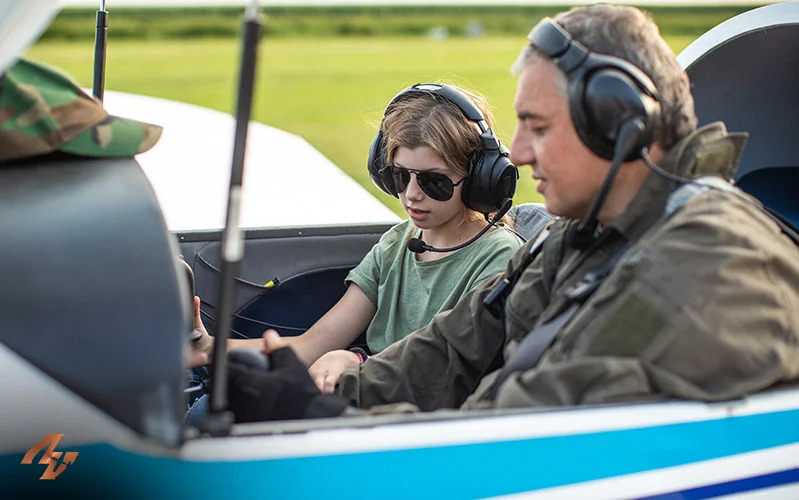
At the youngest level sits the Junior category, typically reserved for the newest and youngest participants entering the competitive scene. This tier is designed less around raw performance pressure and more around building confidence, teaching fundamentals, and introducing young pilots to the structure of organized events. Scoring in this category often places extra emphasis on effort, improvement, and procedural learning rather than pure speed or precision, giving juniors room to grow without feeling overwhelmed by pilots who have years more experience.
The Teenager category serves as a bridge between early learning and more serious competitive demands. Pilots in this group have usually moved past the basics and are beginning to develop the consistency and discipline that competitive flying requires. Challenges at this level introduce tighter scoring criteria and more complex maneuvers, pushing teenage competitors to refine their skills while still accounting for the fact that many are balancing school, limited practice time, and ongoing physical and cognitive development. This category acts as a proving ground where talented young pilots can start to distinguish themselves before stepping into the full intensity of advanced competition.
At the top of the structure is the Advanced category, home to the most experienced and skilled competitors regardless of age. Pilots here are expected to demonstrate mastery across every phase of flight, from precise checklist execution to flawless navigation and controlled landings under pressure. Scoring becomes far less forgiving, and the margin between a strong finish and a disappointing one often comes down to small technical details that only years of dedicated practice can smooth out. This is where the sport's most competitive personalities gather, and where reputations within the community are truly built.
What makes this tiered approach so effective is that it allows pilots to compete against others facing similar circumstances, rather than being judged purely by age on paper. A talented teenager who trains seriously may find themselves performing at a level closer to the advanced tier, and ranking systems often account for this kind of exceptional progress through promotion pathways or invitational events. This flexibility keeps the system fair without limiting genuinely gifted younger pilots from testing themselves against tougher competition when they are ready.
Understanding how these age based categories work is useful not just for pilots, but for parents, coaches, and newcomers trying to figure out where they fit within the community. Platforms like Aero Esport have helped formalize this structure, giving competitors a clear path to follow as they grow from curious beginners into serious contenders. Whether someone is just starting out in the Junior ranks or pushing for recognition in the Advanced tier, the system is ultimately designed to reward genuine skill development at every stage of a pilot's journey.