It is easy to dismiss flight simulation as pure entertainment, something closer to a video game than a genuine learning tool. Yet anyone who has spent serious time with Microsoft Flight Simulator knows that the experience goes far deeper than casual play. Beneath the impressive graphics and immersive world lies a surprisingly rigorous training environment, one that quietly builds real aviation knowledge and habits that extend well beyond the screen.
One of the most immediate skills pilots develop is checklist discipline. Real world aviation depends heavily on structured procedures, from pre flight inspections to engine start sequences and post landing shutdown steps. Microsoft Flight Simulator mirrors this reality closely, requiring users to follow similar procedures if they want a smooth, successful flight. Over time, this repetition builds the kind of procedural memory that actual pilots rely on, reinforcing the idea that aviation safety is built on consistency rather than instinct alone.
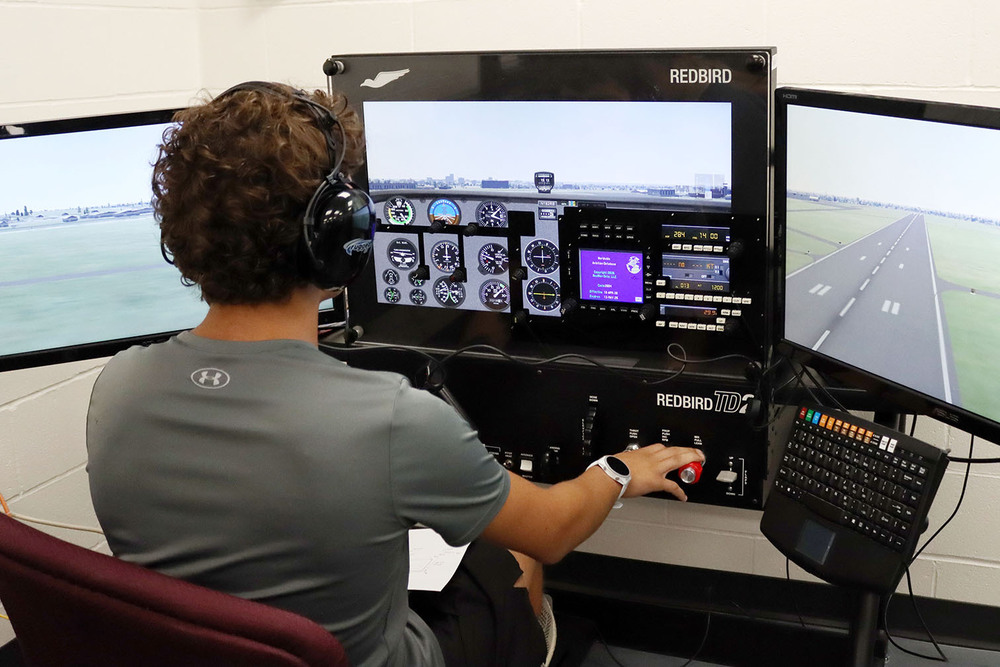
Instrument reading and interpretation is another area where the simulator offers genuine value. Modern aircraft in the simulator feature accurately modeled cockpits, complete with functioning altimeters, attitude indicators, navigation displays, and autopilot systems. Learning to interpret these instruments quickly and accurately, especially during periods of poor visibility, teaches the same fundamental skills that student pilots practice during real instrument training. Users begin to understand not just what each instrument shows, but why that information matters in the broader context of maintaining safe, stable flight.
Radio communication and navigation procedures also translate surprisingly well from simulation to reality. Many users start incorporating realistic air traffic control communication, learning proper phraseology and the logical flow of clearances, taxi instructions, and approach guidance. Navigation using waypoints, VOR stations, and GPS systems within the simulator closely resembles real world flight planning, giving users a practical understanding of how pilots actually move an aircraft from one point to another within structured airspace.
Weather awareness becomes second nature as well. Because the simulator can replicate real world conditions with remarkable accuracy, users quickly learn how wind, visibility, and atmospheric pressure influence flight planning and aircraft handling. This builds an intuitive understanding of why real pilots study weather so carefully before every flight, and how conditions that seem minor on paper can significantly affect a flight's difficulty and safety.
Perhaps most importantly, the simulator teaches decision making under pressure. Whether managing an unexpected system failure, adjusting to sudden weather changes, or handling a rushed approach, users develop the ability to stay calm, prioritize tasks, and think through problems systematically. This kind of composed, methodical thinking is a core trait of skilled real world pilots, and practicing it repeatedly in a simulated environment helps build genuine cognitive resilience.
None of this suggests that simulator time replaces formal flight training, and no responsible source would claim otherwise. Real aviation involves physical sensations, regulatory responsibilities, and consequences that no simulation can fully capture. Still, the depth of knowledge available through Microsoft Flight Simulator is far more substantial than most outsiders realize. For aspiring pilots, aviation enthusiasts, or simply curious learners, it offers a genuinely valuable foundation, one built on real procedures, real instruments, and real thinking, even if the wheels never actually leave the ground.