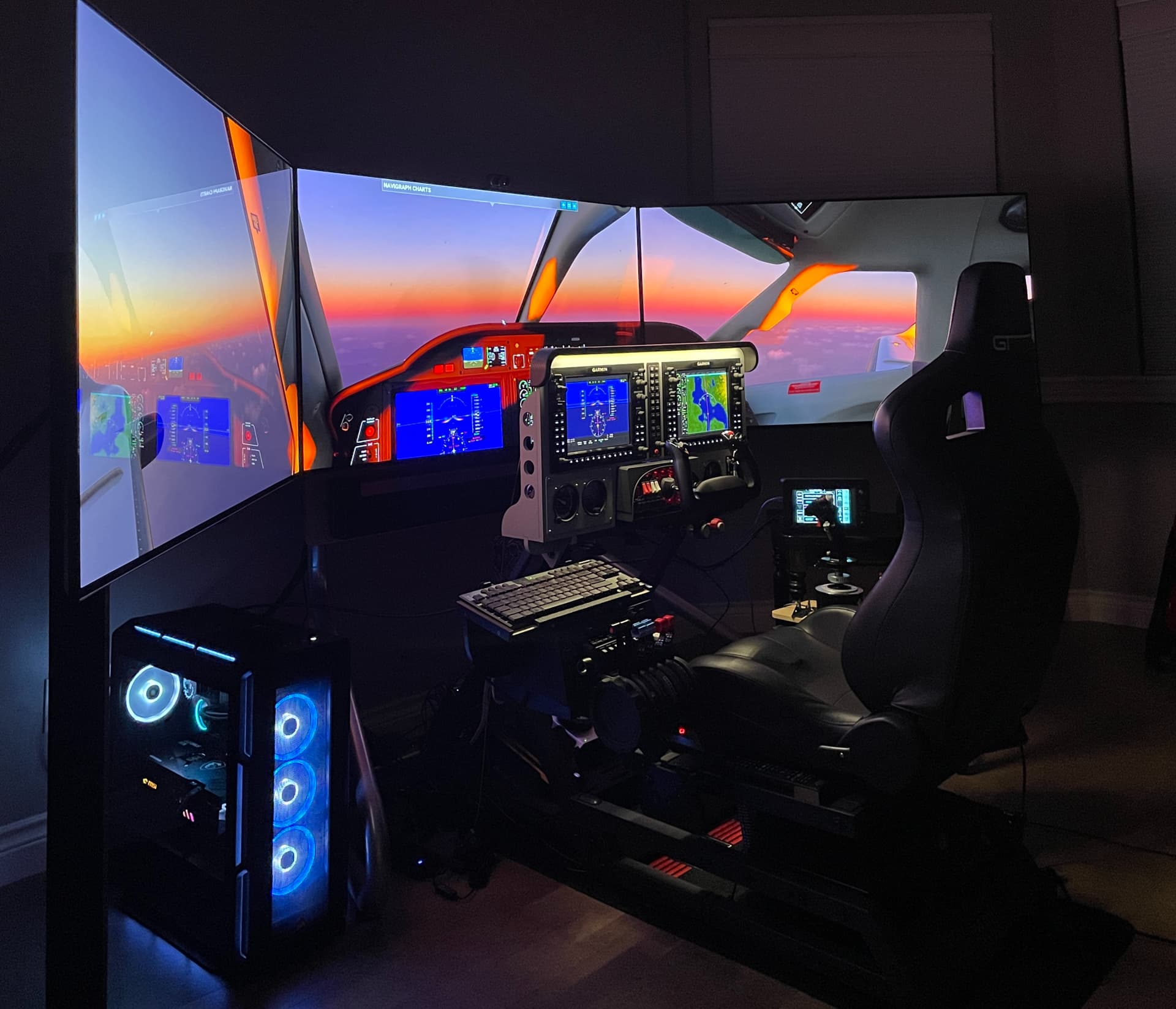
Esports, short for electronic sports, has grown from a niche gaming activity into a global form of competition, entertainment, and business. What once took place in small gaming cafés and local tournaments is now played in packed arenas, streamed to millions of viewers, and supported by professional teams, sponsors, broadcasters, technology companies, schools, and event organisers.
At its core, esports is organised competitive gaming.
Players compete against one another individually or as part of a team using video games as the competitive platform. Just as traditional sports include football, basketball, racing, tennis, and many other disciplines, esports covers a wide variety of game genres and competitive formats.
Popular esports categories include first-person shooters, multiplayer battle arena games, racing simulations, sports games, strategy games, fighting games, and increasingly, simulation-based competitions.
More Than Just Playing Games
One of the biggest misconceptions about esports is that it is simply about people spending hours playing video games.
Professional esports is much more structured.
Competitive players often train regularly, analyse previous matches, study opponents, improve reaction time, practise communication, develop strategies, and work with coaches or analysts.
At higher levels, esports organisations can operate in ways similar to professional sports teams. They may employ players, coaches, managers, content creators, event specialists, analysts, marketing teams, and commercial partners.
Major competitions can also involve tournament organisers, referees, technical crews, commentators, streaming teams, production companies, sponsors, broadcasters, and live audiences.
This means esports has gradually developed an entire professional ecosystem around competitive gaming.
Why Esports Has Become So Popular
One of esports' greatest strengths is accessibility.
Traditional sports often require access to specific facilities, equipment, geographical locations, or physical infrastructure. Esports can allow competitors to participate from almost anywhere with the appropriate hardware and internet connection.
Online qualification systems have made this even more powerful.
A player may begin competing from home, qualify through regional tournaments, progress into national competitions, and eventually reach an international event.
Streaming platforms and social media have also transformed the way fans experience competition.
Audiences are no longer limited to watching events through traditional television channels. They can follow tournaments live, interact with communities, watch player perspectives, analyse highlights, and communicate directly with teams and competitors.
This digital-first structure makes esports particularly attractive to younger audiences who already consume entertainment online.
The Business of Esports
Behind the competition is a rapidly developing commercial ecosystem.
Esports can generate revenue through sponsorships, advertising, media rights, ticket sales, merchandise, game partnerships, tournament fees, digital content, licensing, and brand collaborations.
Companies from outside the gaming industry have also entered esports.
Technology manufacturers, airlines, automotive companies, financial institutions, telecommunications providers, consumer brands, universities, tourism organisations, and government agencies have all explored esports as a way to reach digital audiences.
For brands, esports offers something particularly valuable: engagement.
Esports communities often follow players, teams, creators, competitions, and games very closely. Instead of simply viewing an advertisement, fans may interact with a brand across livestreams, tournaments, social media campaigns, competitions, and physical events.
This creates opportunities for companies to build relationships with audiences rather than simply purchase advertising space.
Esports and Education
Esports is increasingly finding a place within schools, colleges, universities, and training institutions.
Educational organisations are beginning to recognise that esports can introduce students to much more than gaming.
Running an esports programme can involve event management, broadcasting, graphic design, video production, coding, data analysis, social media, teamwork, leadership, marketing, engineering, and technology.
Simulation-based esports can go even further.
Competitive platforms based on racing, aviation, robotics, drones, or engineering can combine entertainment with technical learning. Participants may need to understand equipment, physics, procedures, data, strategy, and real-world operating concepts.
This creates an interesting bridge between esports and STEM education.
For some students, competitive gaming may become the doorway that leads them into careers in software development, engineering, media production, cybersecurity, event management, aviation, data science, or digital technology.
Physical Sports and Esports Are Beginning to Overlap
The boundary between traditional sports and esports is also becoming less clear.
Football clubs operate esports teams. Motorsport organisations run professional racing simulation championships. Athletes compete using virtual versions of real sporting environments. Drone competitions combine digital controls with physical aircraft. Flight simulators can recreate aviation challenges using realistic controls and performance data.
This growing category is sometimes referred to as simulation esports.
Simulation esports is particularly interesting because performance can involve skills that resemble real-world disciplines.
A racing simulator competitor must understand braking points, racing lines, vehicle behaviour, and consistency.
A flight simulation competitor may need to manage speed, altitude, navigation, aircraft control, decision-making, and precision.
Technology allows these performances to be recorded and analysed using telemetry, turning every competition into a measurable digital activity.
In this sense, esports is no longer limited to fictional gaming environments.
It can also become a competitive layer built around real-world skills.
Esports Creates New Career Opportunities
Only a small percentage of participants will become professional esports players, just as only a small percentage of football players become professional athletes.
However, the industry surrounding esports creates many other career opportunities.
These include tournament management, broadcasting, livestream production, coaching, game development, software engineering, graphic design, sponsorship management, marketing, journalism, event production, data analytics, community management, hardware development, content creation, and venue operations.
As esports grows, the demand for people who understand both technology and competition is also increasing.
This makes esports not only an entertainment industry, but also part of the wider digital economy.
The Future of Esports
The next stage of esports will likely extend far beyond conventional competitive gaming.
Virtual reality, artificial intelligence, advanced simulation systems, motion platforms, wearable technology, cloud gaming, telemetry, and immersive broadcasting are creating new possibilities for competition.
Future esports events may combine physical venues with remote competitors around the world.
Players could qualify online before advancing to live championships. Competitions could use real-time performance analytics. Spectators could watch through virtual environments. Artificial intelligence could analyse performance instantly and provide detailed statistics for players, coaches, judges, and audiences.
The underlying idea remains simple.
People enjoy competing.
People enjoy watching competition.
And technology keeps creating new places where that competition can happen.
A New Generation of Sport and Entertainment
Esports should not necessarily be viewed as a replacement for traditional sports.
It represents another form of competition created by the digital generation.
Like traditional sports, successful esports requires rules, training, skill, discipline, competition, spectators, organisers, and communities.
The difference is the playing field.
Instead of grass, asphalt, water, or a physical court, the arena may exist inside software.
And increasingly, that digital arena is connecting with the physical world.
From global gaming championships to racing simulators, drone competitions, aviation simulation, university leagues, and technology-based sporting events, esports continues to evolve.
What began as competitive gaming is becoming something much larger: a global intersection of sport, entertainment, technology, education, and digital culture.