From Living Room to Leaderboard: How to Set Up Your Home Flight Simulator for Competition
Flight simulation has evolved from a casual hobby into a genuine competitive sport, and more enthusiasts than ever are turning their living rooms into serious training grounds. What used to be a simple joystick and a laptop has grown into a full ecosystem of specialized hardware, software, and community platforms designed to help pilots sharpen their skills and measure themselves against others around the world. If you are ready to move beyond casual flying and start competing seriously, building the right setup at home is the first step.
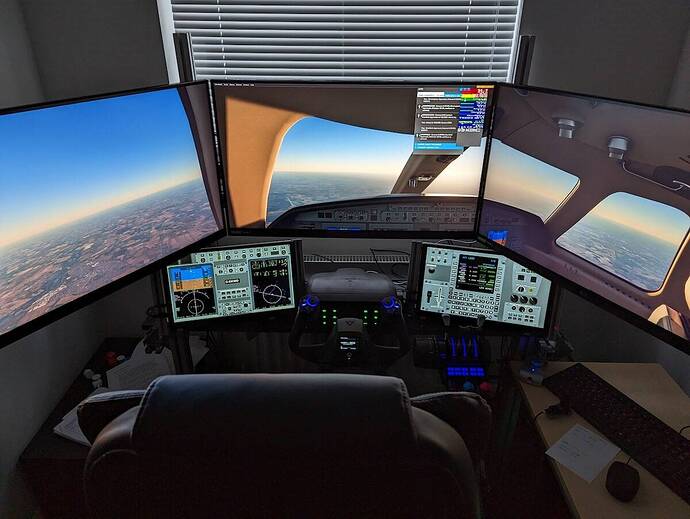
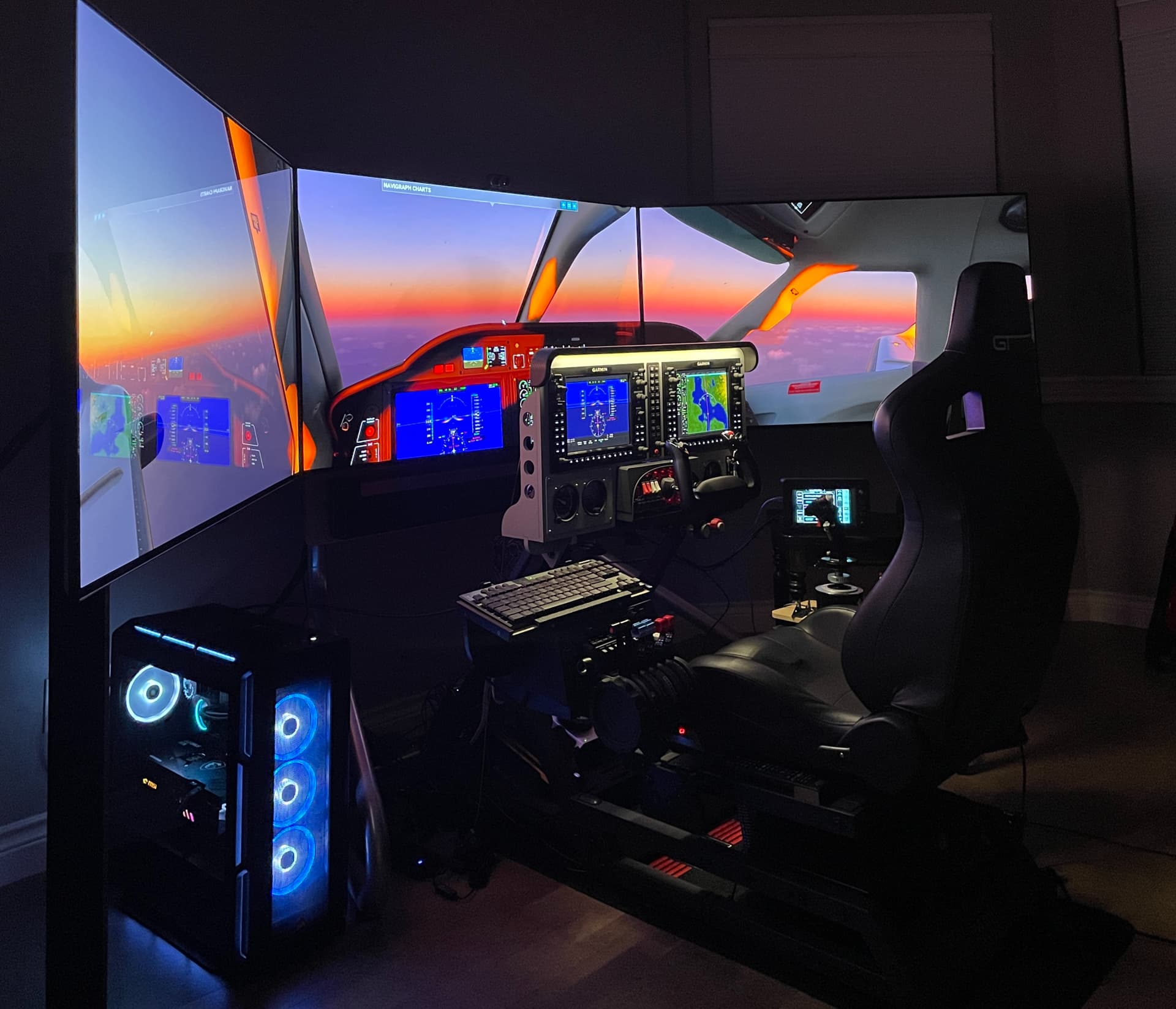
The foundation of any competitive simulator rig is a capable computer. Flight simulation software, especially modern titles with realistic weather systems, detailed terrain, and high fidelity aircraft models, demands strong processing power and a reliable graphics card. A smooth, consistent frame rate is not just about visual enjoyment; it directly affects reaction time and precision during competitive scenarios. Pairing this with a high resolution monitor or, for the truly dedicated, a multi monitor or virtual reality setup, gives you the situational awareness that top competitors rely on.
Once the core system is in place, attention turns to flight controls. A quality yoke or joystick, paired with rudder pedals and a throttle quadrant, replicates the feel of an actual cockpit and allows for the kind of fine motor control that separates hobbyists from serious competitors. Force feedback devices add another layer of realism, letting pilots feel aerodynamic pressures as they would in a real aircraft. Many competitive flyers also invest in custom panels and switch panels that mirror the instrumentation of their preferred aircraft, reducing the mental translation between simulated controls and real world procedures.
Comfort and ergonomics matter more than most beginners expect. Long training sessions and competitive events can stretch for hours, so a supportive seat, proper desk height, and thoughtful cable management all contribute to sustained focus and reduced fatigue. Some enthusiasts go as far as building enclosed simulator pits that mimic an actual cockpit, though a well organized desk setup is more than sufficient for most competitors starting out.
Software choice is where personal goals come into play. Some competitions favor civil aviation simulators that emphasize navigation accuracy, checklist discipline, and smooth handling, while others lean into combat or aerobatic flying that rewards quick reflexes and precise maneuvering. Understanding the specific competition format you want to enter will guide which platform, aircraft, and add ons are worth your investment. It is also worth spending time in training modes or offline practice before jumping into ranked or tournament play, since consistency under pressure is often what determines the outcome.
Community involvement is just as important as hardware and software. Competitive flight simulation thrives on shared knowledge, and joining forums, Discord communities, or dedicated esport platforms can dramatically speed up your progress. Sites like Aero Esport have become valuable hubs for pilots looking to connect with organized competitions, track rankings, and learn from experienced flyers. Engaging with these communities not only keeps you updated on upcoming events but also exposes you to techniques and setups you might not discover on your own.
Finally, treat your simulator practice the way an athlete treats training. Set specific goals, review your performance after each session, and study replays or telemetry data when available. Small adjustments in throttle control, approach angles, or checklist timing can make a measurable difference once you are competing against skilled opponents. The gap between a casual home setup and a competition ready rig is not just about spending money on better hardware. It is about building habits, refining technique, and immersing yourself in a community that pushes you to improve.
With the right combination of equipment, software, ergonomics, and community engagement, your living room can genuinely become a launchpad toward the leaderboard. The technology has matured to the point where dedication and practice matter just as much as the gear itself, and for anyone serious about climbing the ranks, now is a great time to start building.